


Automotive & Manufacturing





Chute systems are a part of building design that often goes unnoticed, yet the configuration of chutes can significantly influence operational workflows, maintenance strategies, and the efficient use of space within a building.
With extensive experience in chute system design and implementation across a wide range of projects, it becomes evident that early planning decisions play a critical role in long term system performance.
Different waste chute systems, including single, dual, triple, diverter, or hybrid configurations, offer distinct approaches to handling general waste, recyclables, organics, or linen. Understanding how these systems perform in real world conditions supports more informed decision making during the design phase.
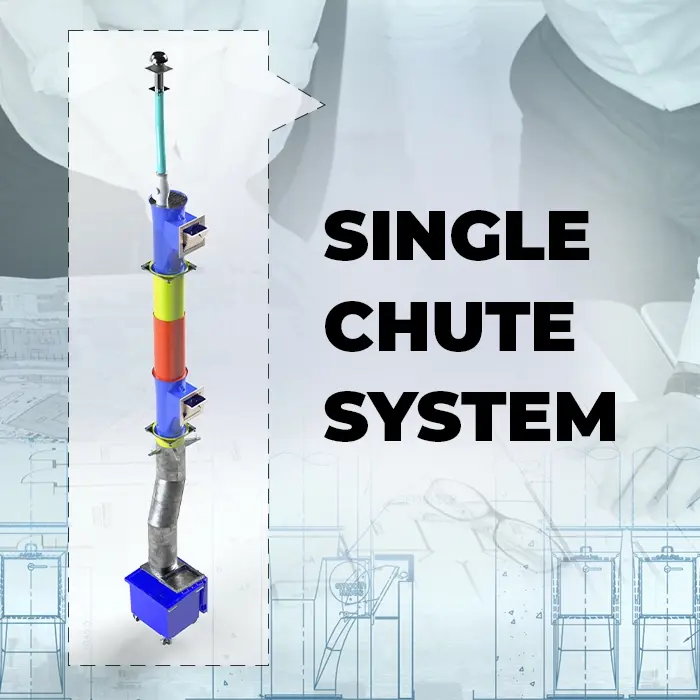
Single Chute System
Single chute systems use one chute through which one type of material is deposited (typically waste). This layout can simplify structural requirements and reduce the overall footprint of the system, which can be advantageous in retrofit projects where existing chutes or limited space restricts available options.
In practice, however, this simplicity often shifts complexity elsewhere. Insufficient planning around sorting, bin allocation, and access leads to inefficiencies that only become apparent after handover.
In older buildings undergoing upgrades, single chute systems are sometimes retained due to structural limitations. In these cases, the effectiveness of the system is typically influenced less by the chute itself and more by how well operational practices are redesigned to support current waste management requirements.
Dual Chute System
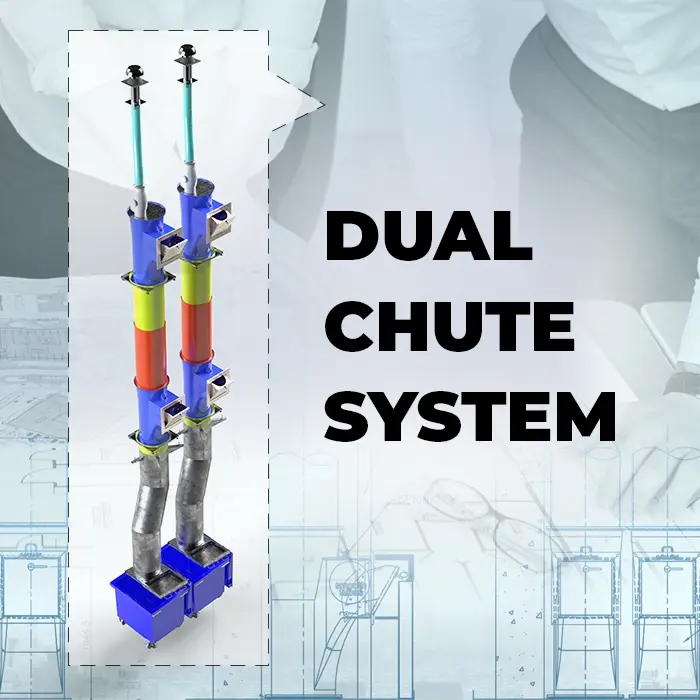
Dual chute systems separate waste streams, commonly general waste and recyclables, into two dedicated chutes. This approach supports better segregation at the source and aligns with modern building waste management systems.
In high rise developments, dual chute systems are often considered where sustainability targets or regulatory requirements call for improved waste separation. However, allocating space for multiple chutes can be a constraint, particularly in towers where core space is tightly planned.
Project experience shows that the performance of a dual chute system is closely tied to usability. Chute placement, chute door accessibility, and signage all influence how occupants engage with the system. Poor positioning or unclear user interfaces can reduce the effectiveness of segregation, even when the system itself is well designed.
Triple and Diverter Chute Systems
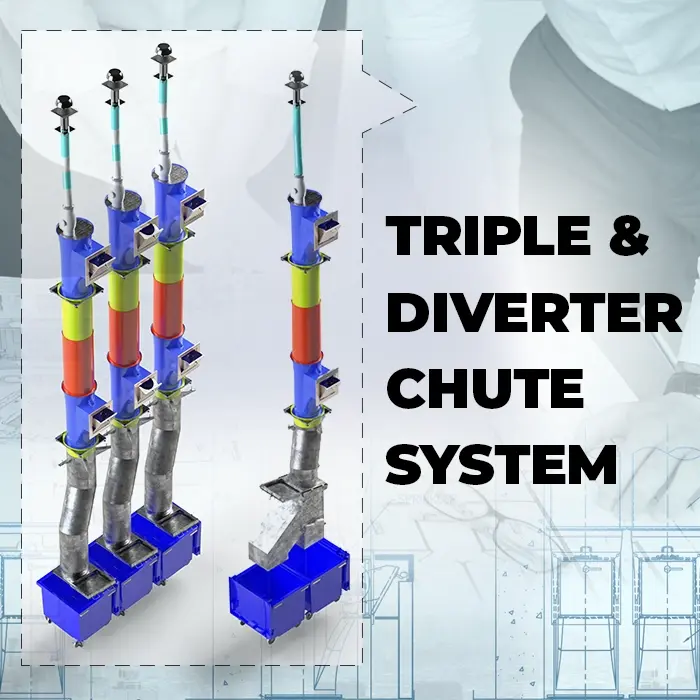
Triple and diverter chute systems allow multiple waste streams, such as general waste, recyclables, and organics, to be managed within a more integrated configuration.
Triple systems use separate chutes, while diverter chute systems rely on a single chute with mechanical or rotary diverters to direct materials. In high rise buildings where space efficiency is critical, diverter systems are often explored to accommodate multiple streams without increasing shaft requirements.
In retrofit scenarios, diverter systems can offer a practical alternative when adding new chutes is not feasible. However, these systems require careful coordination. Industry experience indicates that factors such as diverter timing, alignment, maintenance access, and user behaviour all influence long term performance.
Where these elements are not fully resolved during design, issues can emerge during operation, particularly in buildings with high occupant density and frequent chute use.
Design Considerations Beyond the Chute
A common issue in early planning is focusing too narrowly on the chute itself, particularly in high rise projects where vertical space coordination takes priority.
Effective waste chute design extends beyond the chute to include how materials move through the building, how waste rooms function, and how maintenance teams access equipment. In retrofit projects, these considerations become even more critical, as existing layouts often limit ideal positioning.
Many post installation challenges can be traced back to these surrounding factors rather than the chute system alone.
Key factors include:
- Handling of multiple waste streams
- Access for servicing, cleaning, and inspections
- Movement pathways for staff and equipment
- Flexibility for future operational changes
Taking a broader, system wide view during design can help reduce the need for costly adjustments later, particularly in complex high rise or constrained retrofit environments.
For a closer look at what separates a well-designed system from one that causes problems down the line, read our guide on designing chute systems that perform.
Early Exploration and Collaboration
Projects that achieve better long term outcomes typically involve early engagement with experienced chute system specialists.
In high rise developments, this allows coordination with core layouts, services, and vertical transport systems. In retrofit projects, it helps identify what is feasible within existing structural and spatial constraints.
Early stage discussions can highlight potential limitations, identify opportunities for optimisation, and ensure that the selected system is both practical and maintainable over time.
Conclusion
Single, dual, triple, and diverter chute systems each offer different pathways for managing waste in multi storey buildings. The appropriate solution depends on spatial constraints, operational priorities, sustainability goals, and long term maintenance considerations.
With Wastech Engineering’s extensive experience in chute system design and implementation across high rise and retrofit projects over many years, industry experience consistently shows that the most effective outcomes are achieved when chute system design is aligned with real world use, ensuring systems perform as intended once buildings are operational.
For projects requiring guidance on chute layouts and waste system design, consultation with an experienced specialist can provide valuable, practical insight.